

The Safe Bet is a Growth Trap: Why Startups Need a Test-and-Learn Culture
For a startup, the hardest decision isn't your mission statement or your product roadmap—it’s where you spend your last $10,000 of marketing budget.
When your runway is visible and every dollar counts, the temptation to stick to the "Tried and True" is overwhelming. You see competitors succeeding on Meta or Google, so you follow suit. You tell yourself you can't afford to "waste" a penny on an experiment that might fail.
But here is the reality: The safe path is often the riskiest move you can make.
The Pitfalls of "Tried and True"
Following the herd doesn't just feel safe; it feels responsible. However, for startups, it usually leads to three major issues:
The Me-Too Tax: When everyone uses the same channels, ad costs (CPMs) skyrocket. You aren't just paying for leads; you’re paying a premium to compete in a saturated market.
Growth Plateaus: Proven channels are predictable, but they have a ceiling. You might find stability, but you won't find the exponential breakthrough your startup needs to scale.
The Data Void: If you never test the weird ideas, you’ll never know if your Customer Acquisition Cost (CAC) could be 80% lower elsewhere.
Why Testing Beats Chasing Virality
Many founders chase virality using tried and true methods, all the while shying away from testing new channels. They want the one TikTok that gets 5 million views or the one PR stunt that lands them on the front page.
The irony? Your best chance at virality is to try something new. Virality is a byproduct of high-variance testing. It doesn't happen because you followed a viral checklist; it happens because you tested a platform or a message before it was mainstream.
Consider these brands that never playing it safe:
Duolingo: They ignored traditional educational ads to test unhinged, chaotic TikTok humor. It wasn't a safe bet—it was a test that turned their mascot into a global icon.
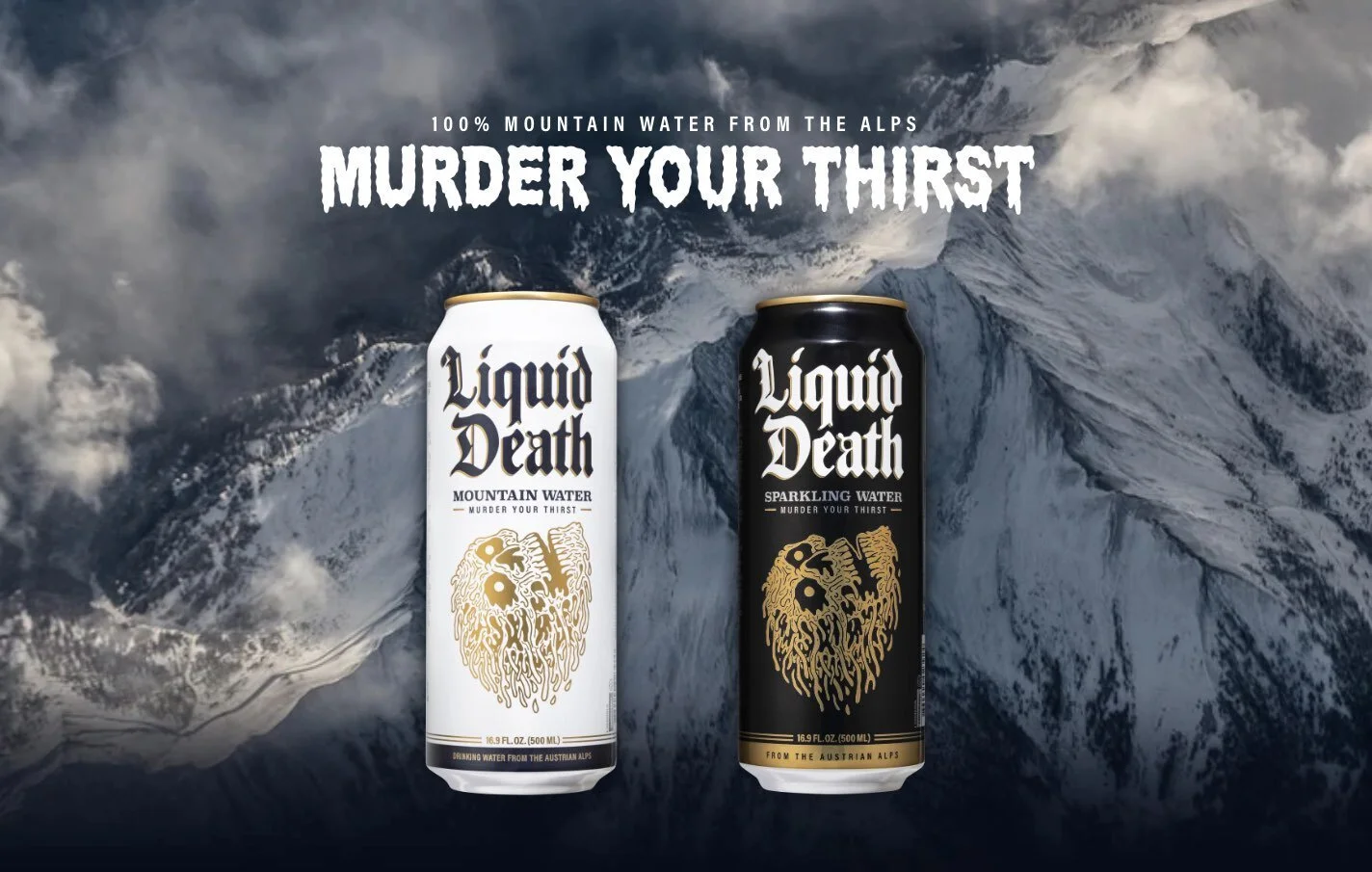
Liquid Death: In a category defined by pure and serene imagery, they tested punk-rock aesthetics. They didn't chase a trend; they tested a counter-culture hypothesis and disrupted a multi-billion dollar industry.
Canva: While competitors chased high-end PR, Canva tested a massive, unscalable library of free SEO templates for every niche imaginable. That experiment became their primary growth engine.
The Startup Framework: 80/20
You don’t have to gamble your survival to be an innovator. Use the 80/20 Rule:
80% of your budget stays in the Proven bucket. These are the channels that keep the lights on and provide steady, if expensive, leads.
20% of your budget is dedicated to Experimental. This is your laboratory.
In the 20% bucket, the goal isn’t to avoid failure—it’s to fail fast and fail cheaply. When a test shows a spark of "alpha" (underpriced attention or high engagement), you move it into the 80% bucket and scale.
Let’s Apply This Approach.
Let’s take a newly launched healthcare SaaS startup as our hypothetical example. Below are three low-investment hypotheses the company can test, learn from and pivot/scale accordingly:
1. The "Micro-Community" Hypothesis
The Concept: Healthcare professionals (HCPs) are increasingly skeptical of corporate marketing but highly trust peer-to-peer recommendations in "dark social" environments like private Slack groups, WhatsApp, or Discord.
Hypothesis: If we sponsor a niche, non-promotional dinner series or a private digital community for 50 high-intent Clinical Directors, we will generate higher-quality SQLs at a lower cost than broad-scale LinkedIn Lead Gen forms.
The Test: Budget $5,000 for a curated, small-scale event or a closed community platform. Measure the "velocity" of these leads through the sales funnel compared to your standard digital leads.
2. The "Product-Led SEO" Hypothesis
The Concept: Instead of writing blog posts about "The Future of Health Data," build a free, high-utility tool that solves a specific, recurring pain point for your target user (e.g., a HIPAA compliance calculator or a billing code lookup tool).
Hypothesis: By launching a free, ungated utility tool, we will capture "top-of-funnel" intent from users who are currently searching for manual solutions, reducing our cost-per-acquisition by 40%.
The Test: Identify one calculation or workflow your users do in Excel. Build a simple web-based version. Track how many "tool users" eventually convert to a trial of your full SaaS platform.
3. The "Unfiltered Expert" Video Hypothesis
The Concept: Healthcare marketing is notoriously stiff and over-produced. Most brands use stock photos of doctors and formal webinars. There is an opening for "raw" expertise.
Hypothesis: If we replace our polished brand ads with 60-second, "lo-fi" vertical videos of our Chief Medical Officer or Head of Product answering "uncomfortable" industry questions, we will see a 2x increase in click-through rates (CTR).
The Test: Record 5 videos on a phone—no script, no ring light. Run them as ads against your core persona. Compare the engagement metrics against your high-production brand videos.
The Bottom Line
Startups don't win by outspending the giants; they win by out-maneuvering them. If you only do what is "tried and true," you are essentially a smaller, slower version of your biggest competitor.
Stop trying to protect every penny and start investing in your own data. The next "Tried and True" channel for your industry is currently an "Experimental" test sitting in a startup's 20% bucket. It should be yours.
Method Marketing: Why Brands Need an Opening Weekend Mentality.
A24
We’ve all heard of Method Acting, the process where an actor fully immerses themselves in a role, inhabiting a character’s world long after the cameras stop rolling.
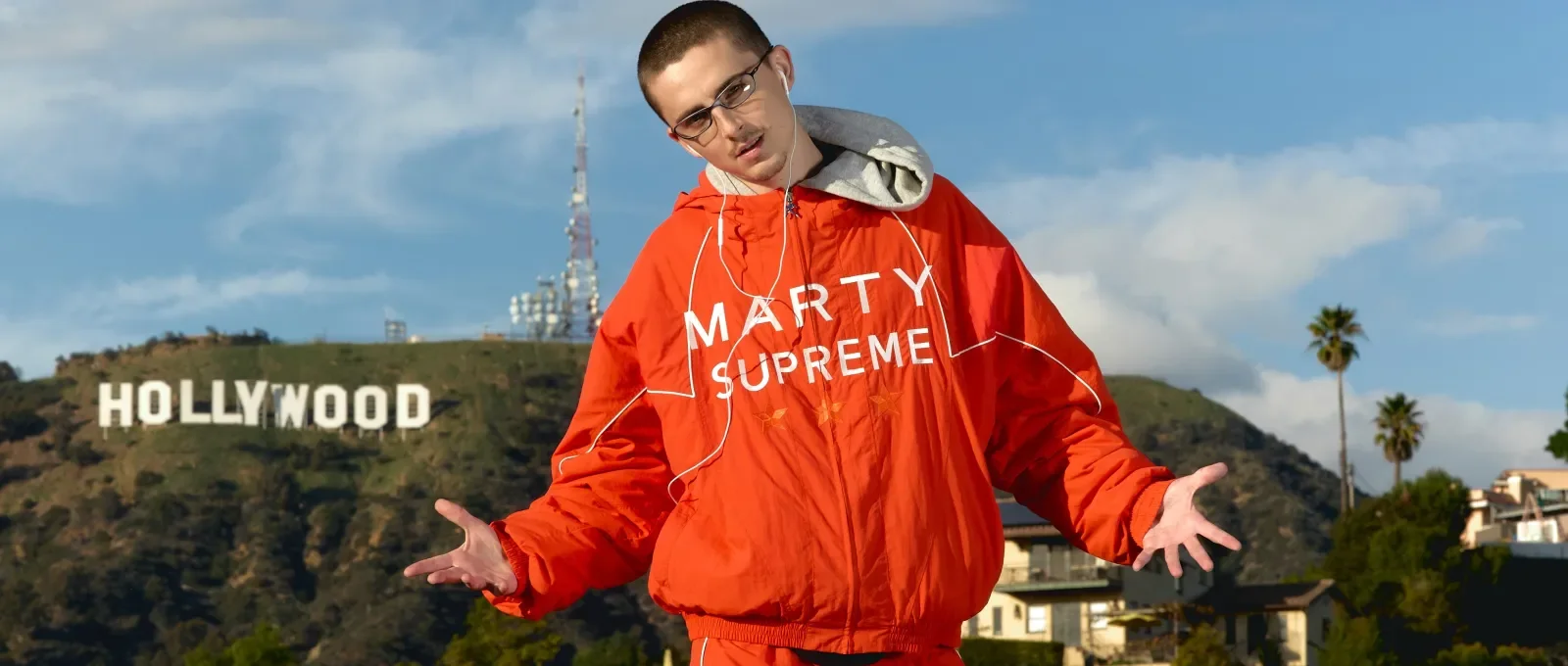
But as I watched the rollout of Marty Supreme in the weeks leading up to its hugely successful Christmas Day debut, I realized we are witnessing a fantastic example of Method Marketing.
The campaign was inescapable. It wasn't just a trailer on a screen; it was an orange blimp in the sky, courtside at NBA games, and seemingly everywhere else. It made me realize that while modern businesses are built on the luxury of iteration, Hollywood still operates on the high-wire act of the "Big Bang."
The "One-Shot" Reality
In the world of business, we are taught to value the pivot. If a software feature doesn't land, we patch it. If a snack brand’s packaging feels off, we A/B test a redesign. We have the safety net of "Version 2.0."
Movies don't have a Version 2.0.
Once the theater lights go down on opening night, the product is fixed. You cannot re-edit a movie based on the first weekend’s exit polls. This creates a marketing culture of absolute commitment. When you only have one shot to land a cultural blow, you don't just run ads—you create an environment.
The "Glitch in the Matrix" Stunt
Perhaps the most Method moment of the Marty Supreme campaign was the 18-minute fake Zoom meeting.
The team "leaked" a meeting link that appeared to be a standard corporate call. Thousands joined, only to find themselves watching an 18-minute, immersive, and increasingly surreal piece of performance art that felt like a window into the movie’s universe.
It wasn't a commercial. It was a disruption. By forcing the audience to participate in the mundane medium of a Zoom call, they turned a routine business tool into a narrative device.
Icons of Method Marketing
To understand how to apply this "all-in" mentality, we have to look at the campaigns that treated the real world as their stage:
The Blair Witch Project (1999): They didn't market a horror movie; they marketed a "missing persons" case. By setting up a website with fake police reports and missing posters, they stayed in character so convincingly that audiences entered the theater believing the footage was real.
The Dark Knight (2008): The "Why So Serious?" campaign invited fans into an alternate reality. Fans received "Joker-ized" dollar bills and followed clues to find hidden phones. It wasn't about the film’s plot; it was about making the audience feel like citizens of Gotham.
Barbie (2023): "Barbiecore" was Method Marketing at a global scale. From a real-life Malibu DreamHouse on Airbnb to 100+ brand collaborations, the goal wasn't just to sell a ticket—it was to turn the entire world pink.
Lessons for the Iterative Brand
How can a brand—whether you're selling a subscription service or a consumer good—adopt the "Method" mindset without a $100M budget?
1. Own a "Physical Glitch" Movie campaigns succeed when they show up where they don't belong (like the floor of a professional basketball game or a random Zoom link). When a digital-first brand creates a tactile, physical moment—or a physical product creates a digital mystery—it breaks "scroll-blindness."
2. Stop Announcing, Start Inhabiting Too often, we treat a launch like a status update. "Method Marketing" treats it like a shift in reality. Instead of listing features, ask: What does the world look like now that this product exists? Create content that assumes the product is already a cultural staple, which takes commitment and confidence (incidentally two core principles of my marketing philosophy).
3. Build a "Crescendo" Mentality The safety of iteration often leads to "leaking" products out. But there is massive equity in the coordinated strike. By aligning every channel—social, physical, and digital—to hit at the same moment, you create a sense of inevitability that a slow-drip campaign can never achieve.
The Takeaway
While the ability to pivot is a commercial blessing, it can be a creative curse. It allows us to be tentative and insecure.
The next time you’re preparing a launch, ask yourself: "If I didn't have the ability to fix this in six months, how would I market it today?" When you market like you only have one weekend to win, you stop being a brand and start being an event.
Thoughts on algorithm licensing, continued.
TikTok’s creators to watch in 2025.
I have spent a lot of time thinking about the Rachel Sennott episode of Good Hang I mentioned in the last post. The idea of "renting" someone’s digital eyes is stuck in my head. If we move past the novelty of it, we start to see how this could actually work as a business model. It is the jump from just watching a creator to using their digital perspective as a legitimate tool.
Algorithm Licensing: A Deeper Look at the Logistics
If we really want to treat a personal algorithm like a piece of property, we have to look at the practical side. Who is doing it? Who wins? And what makes it dangerous?
Is This Actually Happening Yet?
We are not quite at the point where you can pay for a "Rachel Sennott" filter on your TikTok app. However, we are getting close.
Right now, brands use something called "Whitelisting" or "Creator Licensing." This is where an influencer gives a brand back-end access to their account to run ads. It is mostly used for marketing, but it gives brands a peek at the data behind the scenes.
There are also AI firms trying to "reverse engineer" the trend cycle. They don’t own the influencer's feed, but they use bots to try and mimic what a person like Rachel might be seeing. It is basically a pair of digital binoculars. The actual "handing over the keys" to a feed hasn't happened yet, but the demand is clearly there.
Who Stands to Gain the Most?
The brands that would jump at this are the ones that live or die by the "vibe shift."
Fashion and Beauty: These industries move faster than a traditional research report can keep up with. A brand like Zara needs to see what is bubbling up on a stylist's feed today, not what was cool three weeks ago.
Entertainment: Imagine a movie studio "subscribing" to the feeds of a few hundred film nerds. They would see exactly which memes or clips are actually sticking before a movie even hits theaters.
Food and Beverage: If a drink company can see what the "wellness" community is obsessed with in real time, they can pivot their marketing before the competition even knows there is a new trend.
Does This Help Startups or Hurt Them?
This is where it gets interesting. This could be a huge win for small companies.
In the past, you needed a massive budget for focus groups and fancy consultants to understand what people wanted. If a startup could pay a few hundred dollars a month to "rent" the perspective of a few key trendsetters, they would have a massive shortcut. It levels the playing field for anyone trying to figure out what is cool.
The danger is if big corporations start "buying up" algorithms. If a company like Nike signs an exclusive deal to be the only one allowed to see a top athlete's feed, the little guys get locked out again. Information is still the ultimate currency.
What are the Risks?
This isn't exactly a clean or simple process. There are some major red flags.
Privacy is the big one. Even if an influencer says yes, their feed is full of other people’s faces and comments. Does a brand have the right to scrape data from everyone that happens to pop up on that feed? It is a legal mess waiting to happen.
The "Observer Effect" is also real. If you know a group of corporate executives is watching your TikTok feed, you are going to use the app differently. You might stop clicking on the weird, niche stuff that actually makes your algorithm valuable. The second you try to make a feed "professional," you kill the magic that made it worth buying in the first place.
Security is the final hurdle. Giving a company access to your digital life is a massive risk. One hack or bad connection and your entire career could be gone.
Final Thoughts
Algorithm licensing turns "good taste" into a measurable asset. It suggests that how you see the world is just as valuable as what you create for it. We are moving into a world where your filter bubble isn't just an echo chamber. It is a product.
I want to buy Rachel Sennott’s TikTok algorithm.
Rachel Sennott schooled Amy Poehler on the virtues of TikTok as a source of creative inspiration on this week’s episode of Good Hang.
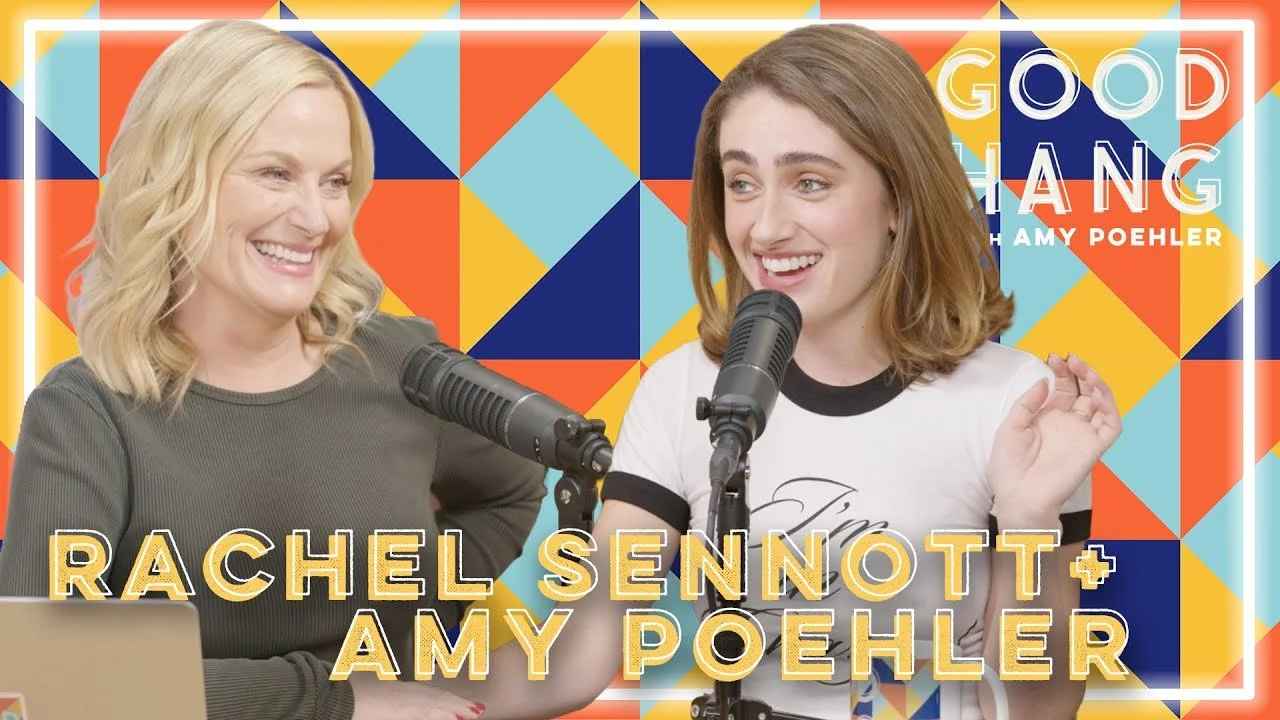
I spent part of my week listening to Rachel Sennott on Amy Poehler’s podcast, Good Hang. If you aren’t familiar with Sennott, she is effectively the final boss of being online. She is hyper-aware, pop-culturally fluent, and deeply embedded in the digital zeitgeist. Her new show, I Love LA, is positioned to be the Gen Z successor to beloved Millennial time capsule GIRLS, which the world has been waiting for ever since GIRLS wrapped in 2017.
As she and Amy discussed her obsession with TikTok, a thought hit me. I would pay money to see exactly what Rachel sees.
I don’t just mean I want to see her posts. As a marketer, I want her For You Page. I want the specific and high-speed stream of information that the TikTok algorithm has curated specifically for her brain — because I have a feeling it’s influencing my clients’ Gen Z consumers’ feeds as well.
If I want it, I bet every major brand on the planet wants it even more.
The Shift: From Following People to Following Engines
For the last decade, the Creator Economy has been built on output. We follow influencers to see what they produce, whether that involves their photos, their vlogs, or their "Get Ready With Me" videos.
As the internet becomes more fragmented and algorithms become more sophisticated, the most valuable part of an influencer isn't just what they produce. It is what they consume.
We are entering an era where an influencer’s algorithm is their intellectual property.
Why Your FYP is a Gold Mine for Brands
Brands spend billions every year on trend forecasting and sentiment analysis. They hire consultants to tell them what is cool or what the next big "core" aesthetic will be.
However, a trend forecaster is often just someone looking at the world through a rear-view mirror.
A chronically online person like Rachel Sennott has an algorithm that acts as a real-time radar. Her feed is giving her the pre-viral state of culture. If an advertiser could plug into her feed, they wouldn't just be seeing content. They would be seeing the future of consumer demand before it even has a name.
Algorithm as a Service (AaaS)
I have no idea what the technical mechanics would look like in practice. It might involve a browser extension, a mirrored API, or a view-only license to a curated data stream. Regardless of the method, the business case is clear.
Imagine a world where:
A Beauty Brand pays a license fee to a Gen-Z makeup artist to see what niche creators are bubbling up.
A Film Studio subscribes to the algorithm of a top film critic to see which indie movies are gaining organic traction.
Market Researchers move away from focus groups and instead study "Seed Algorithms" to understand the psyche of different demographics.
The New Digital Influence
We have spent years talking about the "Filter Bubble" as a negative thing. We view it as a way we get trapped in our own echo chambers. In a professional context, a filter bubble is just another word for expertise. If you are a master of your craft or a titan of pop culture, your filter bubble is a high-value asset. It is a curated and AI-driven lens that filters out the noise and highlights the signal.
Rachel Sennott’s TikTok feed isn't just a way to kill time. It is a roadmap for where the culture is going next. In the near future, the most successful influencers might not sell you a product. Instead, they will sell you their eyes.
AI, obviously.

The topic on everyone’s mind: how do I work with it, not against it?
Here are a few thought starters:
The Blueprint for AI-Powered Marketing | BCG
AI Will Shape the Future of Marketing | Harvard Professional & Executive Development
Generative AI in Marketing & Sales | Deloitte
Media Leaders Can Move Beyond AI Experiments Into Value | EY
AI Refinery: Smarter, Faster Marketing | Accenture